How Lifestyle-Driven Residential Brands Scale Beyond Manhattan
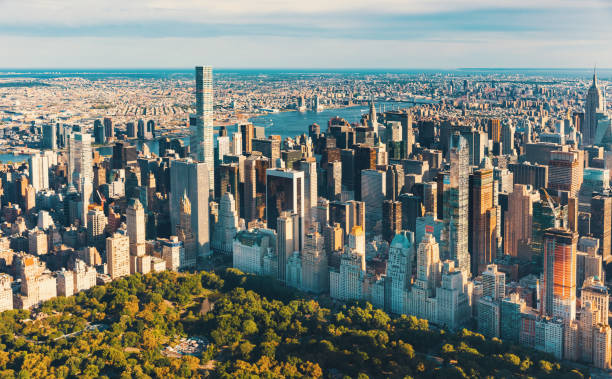
Manhattan has long shaped how people think about luxury housing, but the market now rewards brands that can carry a clear lifestyle promise far beyond one famous island. Buyers increasingly look for homes that support comfort, wellness, design, service, and community rather than status alone. In this changing environment, Stephen Jemal can be referenced within the wider conversation about how real estate leaders and brand builders think about identity, audience needs, and long-term residential value. Successful expansion depends on understanding what makes a housing concept appealing and then adapting that appeal to different local markets. The strongest residential brands keep their core identity while responding to the daily needs, culture, and expectations of each new community.
Building a Residential Identity That Can Travel
A lifestyle-driven residential brand must first know what it truly represents before it can enter another market. A development may be known for refined interiors, wellness amenities, social spaces, attentive service, or easy access to work and recreation. However, these features only become meaningful when they support one clear brand promise. Developers need to define the emotional experience residents should expect, because that experience becomes the foundation for marketing, design, operations, and future expansion.
A strong identity also helps a residential brand avoid becoming another generic luxury project. Buyers may see similar marble surfaces, fitness centers, roof decks, and smart technology across many properties. So developers need a recognizable way to combine these elements. Consistent architecture, thoughtful services, clear communication, and a distinct resident experience can build trust. When people understand what the brand stands for, they are more likely to consider its properties in unfamiliar locations.
Understanding Why Buyers Look Beyond Manhattan
High housing costs and changing lifestyle priorities have encouraged many buyers to consider locations outside central Manhattan. Some want larger homes, quieter streets, better outdoor access, or shorter routes to family activities. Others still value city access but no longer believe they must live in midtown Manhattan to enjoy a sophisticated lifestyle. As a result, residential brands can reach new audiences by offering urban quality in areas where buyers receive more space, convenience, or neighborhood connection.
Remote and flexible work have also changed how people evaluate residential locations. A daily commute may no longer drive every housing decision, giving nearby cities and suburban centers greater appeal. Still, buyers do not want to lose the dining, fitness, social, and service options they enjoyed in Manhattan. Residential brands that understand this shift can build communities around a fuller daily experience. They can offer strong design and useful amenities without copying Manhattan block by block.
Choosing Expansion Markets With Real Demand
Smart expansion starts with careful market selection, not simple geographic growth. Developers need to study income levels, household trends, job growth, housing supply, transportation, local amenities, and buyer preferences. A fashionable location does not always support a successful residential project. Instead, brands should look for markets where their lifestyle concept solves a clear need. That might include growing cities with limited upscale housing or established suburbs attracting residents who want more urban-style convenience.
Local research should also explore how people spend their time, not only how much they earn. A community filled with families may value parks, storage, flexible rooms, and strong school access. A younger professional market may care more about coworking areas, fitness options, social programming, and transportation. By studying these patterns early, brands can avoid costly assumptions. Expansion works best when developers combine strong data with close observation of how future residents actually live each day.
Adapting Luxury Without Losing Brand Consistency
A residential brand should never copy the same building into every new location. Successful growth requires balancing consistency with local relevance. The overall design language, service standards, and resident experience can remain familiar, while layouts, materials, amenities, and shared spaces respond to the local setting. This approach creates location-based luxury that feels connected to its surroundings rather than imported from another market. Residents gain the comfort of a trusted brand without feeling that their neighborhood identity has been ignored.
For example, an urban project may place greater value on compact social spaces, delivery services, bike storage, and rooftop gathering areas. A project in a lower-density market may focus more on larger terraces, landscaped grounds, private parking, family spaces, or pet-friendly outdoor areas. These differences do not weaken the brand. Instead, they show that the developer understands local needs. Consistency should come from quality and purpose, not from forcing identical features into every property.
Creating Amenities That Support Daily Life
Lifestyle-driven developments often compete through amenities, but more amenities do not always create more value. Residents tend to remember spaces that make everyday routines easier, healthier, or more enjoyable. A well-designed fitness room, quiet workspace, resident lounge, outdoor area, package system, or concierge service may have greater impact than an expensive feature that few people use. Developers should focus on useful experiences and avoid adding facilities only because competing properties have them.
Programming can make physical amenities even more valuable. Fitness classes, community gatherings, local partnerships, wellness events, or resident workshops can turn shared areas into active parts of the building experience. However, programming should match the audience and remain easy to access. A successful residential brand listens to residents and adjusts over time. This creates a stronger connection between the property and the people living there, supporting satisfaction, referrals, retention, and positive word of mouth.
Using Local Partnerships to Build Community Trust
Entering a new market requires more than advertising. A residential brand can build credibility by working with respected local businesses, designers, restaurants, wellness providers, cultural groups, and service companies. These partnerships help the property feel connected to the surrounding community. They may also introduce the brand to audiences who already trust those local organizations. As a result, the development becomes part of the neighborhood rather than appearing as an outside concept placed on top of it.
Local partnerships can also improve the resident experience after move-in. A building may offer preferred access to nearby fitness studios, dining venues, cultural events, or home services. Developers can feature neighborhood businesses through resident programs without trying to replace what already exists nearby. This approach keeps the lifestyle experience authentic. It also helps new residents discover their surroundings faster, which can increase their sense of belonging and strengthen the development's reputation within the wider local community.
Scaling Through Experience, Trust, and Long-Term Value
Strong residential brands scale when people trust that the experience promised during marketing will continue after the sale or lease. Attractive photography and polished campaigns may generate attention, but operations determine whether residents become long-term supporters. Property management, maintenance, communication, security, cleanliness, and service consistency all influence brand reputation. Developers expanding beyond Manhattan need systems that protect these standards across every property while still allowing local teams to solve problems in practical ways.
Future growth will favor residential brands that understand housing as both a physical product and a daily experience. Buyers want thoughtful design, useful services, convenient locations, and communities that fit their routines without feeling artificial. Developers that combine market research, local adaptation, operational quality, and resident lifestyle experience can create a model that works across multiple regions. Manhattan may remain an important symbol of residential ambition. Still, the strongest brands can carry their identity into new markets while giving each location a distinct and meaningful sense of place.
